Doctor-Led Guide: PRP for Hair Loss & Skin Rejuvenation in Malaysia
Have you heard of PRP for hair loss or skin rejuvenation, but are still unsure what it really does? PRP, also known as platelet rich plasma, is a treatment that uses a concentrated part of your own blood to support natural repair. For skin rejuvenation, it is sometimes known as a “vampire facial”, but the treatment is much more straightforward than the name sounds.
PRP is commonly used for two concerns: thinning hair and aging skin. For hair loss, it may help support weak hair follicles and improve scalp condition. For skin rejuvenation, it may help improve dullness, fine lines, mild acne scars, uneven texture, and overall skin quality.
In this article, we will explain PRP in a simple and practical way, including how it works, what results you can expect, whether it is safe, who may be suitable, and why a proper doctor assessment is important before starting treatment.
What Is PRP Treatment?
PRP stands for platelet rich plasma. In simple terms, it is a treatment that uses a concentrated part of your own blood to support the body’s natural repair process. In aesthetic treatments, PRP may be used for concerns such as hair thinning, skin rejuvenation, dull skin, fine lines, and uneven skin texture.
Your blood contains platelets, which are small blood cells involved in healing and repair. Platelets are rich in growth factors, which are natural signals that tell the body to repair tissue, renew cells, and support collagen production. This is why PRP is often used in treatments that aim to improve skin quality, support scalp health, and encourage healthier hair growth.
During the treatment, a small amount of blood is taken from your arm and processed in a centrifuge, which is a machine that separates the platelet rich plasma from the rest of the blood. This concentrated PRP is then used on the treatment area, such as the scalp for hair loss or the skin for rejuvenation.
Because PRP comes from your own body, many people see it as a more natural treatment option. However, PRP is still a medical aesthetic procedure. It involves blood handling, preparation, and injections or application to the treatment area. This is why it should be performed in a proper clinical setting by trained professionals.
PRP for Hair Loss vs PRP for Skin Rejuvenation
PRP can be used for both hair and skin, but the treatment goals are different.
| Area | Main Concern | How PRP May Help | Who May Consider It |
|---|---|---|---|
| Scalp | Hair thinning, hair fall, weak follicles | Supports weak follicles and scalp health | People with early to moderate hair thinning |
| Skin | Dullness, fine lines, texture, mild acne scars | Supports skin repair and collagen production | People who want better skin quality and natural rejuvenation |
Although the same PRP concept is used, the treatment method, treatment area, number of sessions, and expected results can be different.
PRP for Hair Loss: How Can It Help?
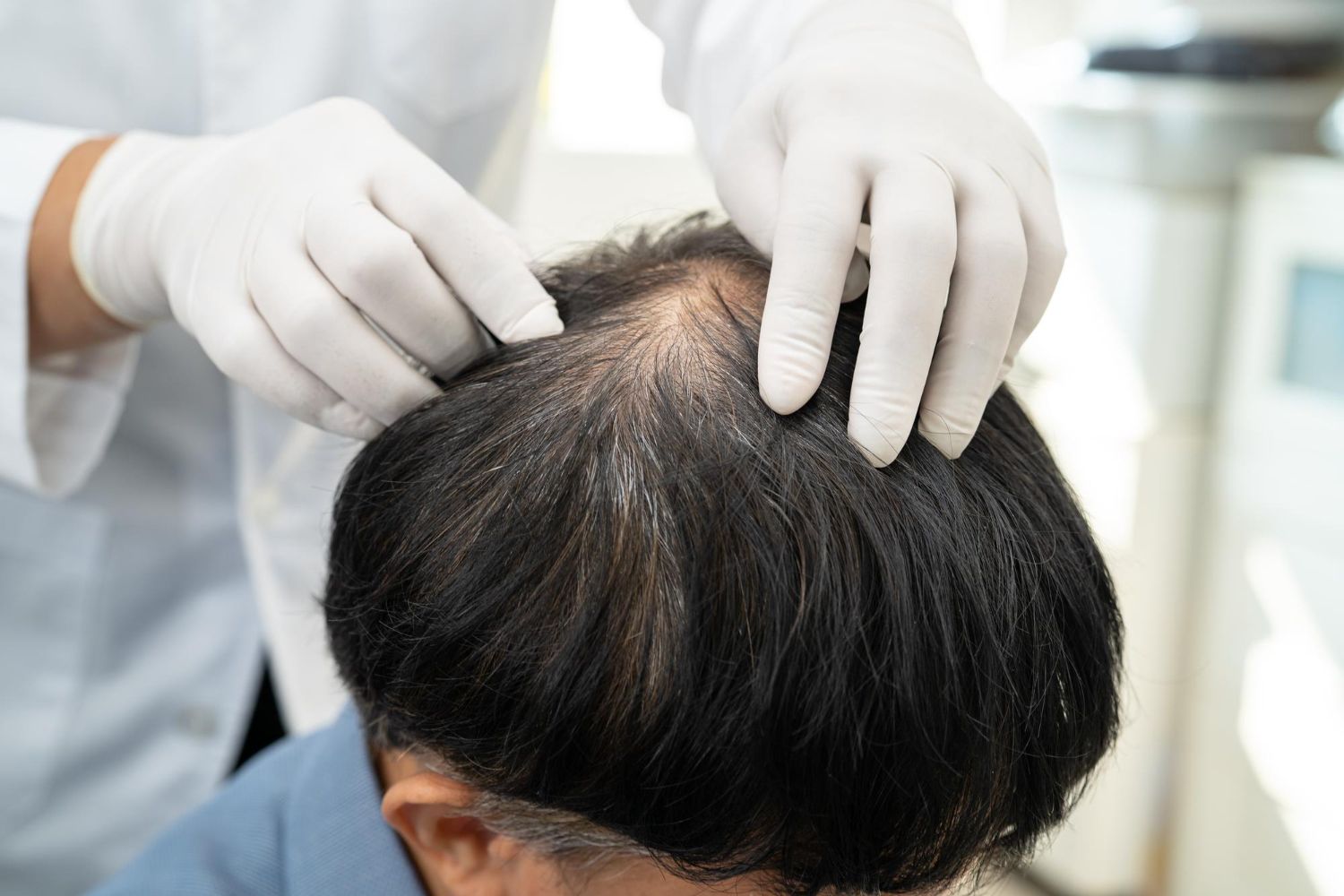
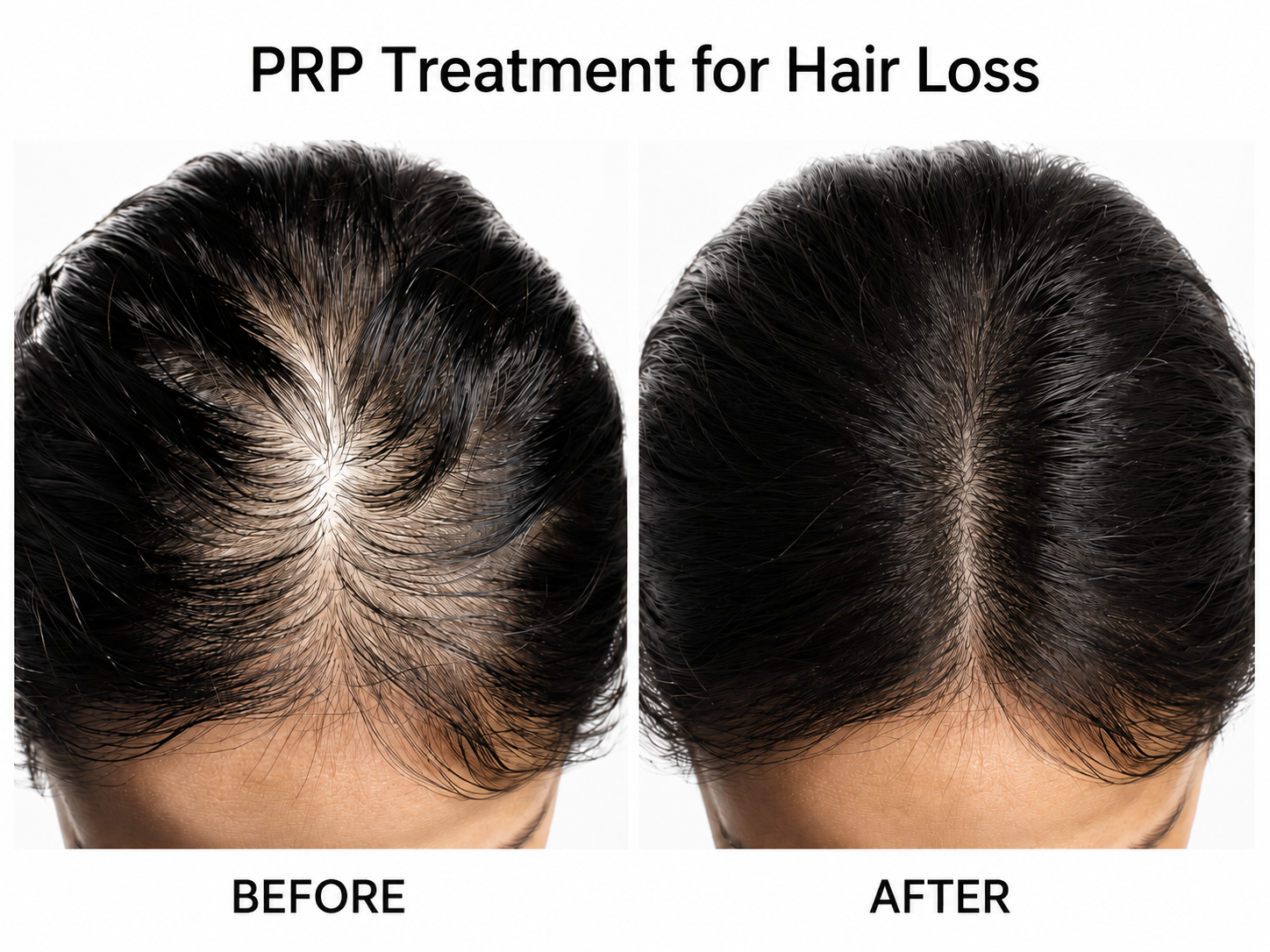
PRP may help suitable candidates with hair loss by supporting weak hair follicles and improving the scalp environment.
Hair grows from tiny structures in the scalp called hair follicles. When these follicles become weak, hair may grow thinner, fall more easily, or take longer to grow back. PRP contains growth factors that may help support these weak follicles and encourage healthier hair growth.
PRP may be considered for people who notice:
- Gradual hair thinning
- Widening hair parting
- More visible scalp
- Reduced hair volume
- Weak or fine hair growth
- Increased hair shedding
- Early hairline thinning
- Hair thinning around the crown area
However, PRP is not suitable for every type of hair loss. Hair loss can happen for many reasons, and each cause may need a different approach. This is why a scalp analysis is important before starting PRP. If the cause of hair loss is not understood, the treatment may not target the real problem.
At RegenX Clinic, the doctor will assess your scalp and hair condition before recommending PRP. This helps identify whether your hair follicles are still active, whether your scalp is healthy, and whether PRP is suitable for your stage of hair loss.
What Type of Hair Loss May Respond Better to PRP?
PRP is usually more suitable for people with early to moderate hair thinning, especially when the hair follicles are still active but weak.
For example, someone who notices thinning at the crown, a widening parting, or reduced hair density may be a better candidate than someone with very advanced hair loss where the follicles are no longer active.
PRP may be considered for:
- Early stage hair thinning
- Mild to moderate hair density loss
- Weak hair follicles
- Female pattern hair thinning
- Male pattern hair thinning in suitable cases
- Hair shedding related to stress or recovery, depending on assessment
- Scalp support as part of a wider hair growth plan
However, if the hair loss is severe or has been present for a long time, PRP alone may not be enough. Other treatment options or a combined approach may be needed.
Can PRP Stop Hair Loss Completely?
PRP may help reduce hair shedding and support healthier hair growth in suitable candidates, but it should not be seen as a guaranteed cure for all hair loss.
Hair loss is often influenced by many factors, such as genetics, hormones, health, stress, scalp condition, and lifestyle. PRP may support the scalp and follicles, but it may not remove every underlying cause of hair loss.
For some people, PRP may be part of a larger hair restoration plan. This may include scalp care, lifestyle advice, other hair growth treatments, or follow up sessions to maintain results.
PRP for Hair Loss: Before and After
PRP for Skin Rejuvenation: How Can It Help?
PRP may help improve skin quality by supporting the skin’s natural repair and renewal process.
As we age, the skin gradually produces less collagen. Collagen is important because it helps the skin look firm, smooth, and healthy. When collagen levels reduce, the skin may become dull, uneven, dry looking, or less firm. Fine lines may also become more noticeable.
PRP may support skin rejuvenation by encouraging repair from within. It may help improve the overall quality of the skin rather than simply covering the concern on the surface.
PRP may be considered for skin concerns such as:
- Dull looking skin
- Fine lines
- Uneven skin texture
- Mild acne scars
- Enlarged pores
- Tired looking skin
- Loss of firmness
- Rough skin texture
- Early signs of aging
- Poor skin glow
- Under-eye dark circles and hollows
- Thin or delicate looking skin in suitable areas
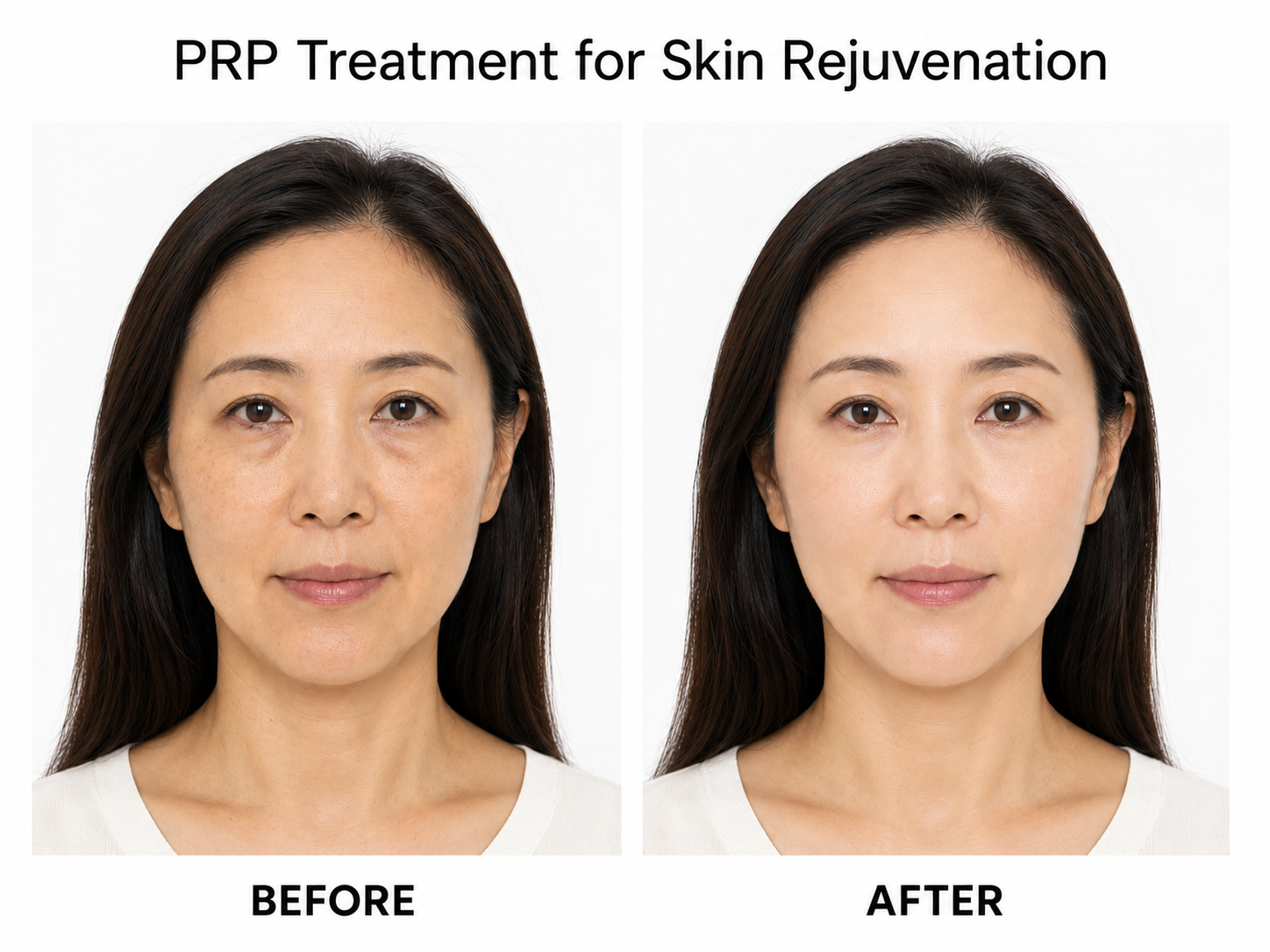
The results are usually gradual. Some people may notice that their skin looks fresher first. Improvements in texture, firmness, and fine lines may take more time because the skin needs time to repair and renew.
PRP for Skin Rejuvenation: Before and After
Is PRP the Same as Botox or Filler?
No, PRP is different from Botox and filler.
Botox is used to relax specific muscles that cause expression lines. Filler is used to add volume or shape to certain areas of the face. PRP works differently because it supports your skin’s own repair process.
Here is a simple comparison:
| Treatment | Main Purpose | How It Works | Result Style |
|---|---|---|---|
| PRP | Skin repair and rejuvenation | Uses your own platelet rich plasma to support renewal | Gradual and natural looking |
| Botox | Reduce expression lines | Relaxes selected facial muscles | Smoother lines in treated areas |
| Filler | Add volume or contour | Adds volume under the skin | More immediate shape or fullness |
PRP is often suitable for people who prefer a more natural looking approach and want to improve overall skin quality. However, the right treatment depends on your skin condition, goals, and doctor’s assessment.
Who Should Be Careful Before Doing PRP?
PRP may not be suitable for everyone. You should speak to a doctor before doing PRP if you have certain health or skin conditions.
You may need further assessment if you have:
- Active skin or scalp infection
- Certain blood conditions
- Uncontrolled medical conditions
- Severe scalp disease
- Very advanced hair loss
- Poor wound healing history
- Certain medication use
- Pregnancy or breastfeeding
- Unrealistic expectations of instant results
This does not always mean you cannot do PRP, but it means your doctor should assess your condition carefully before recommending treatment.
What Happens During a PRP Treatment?
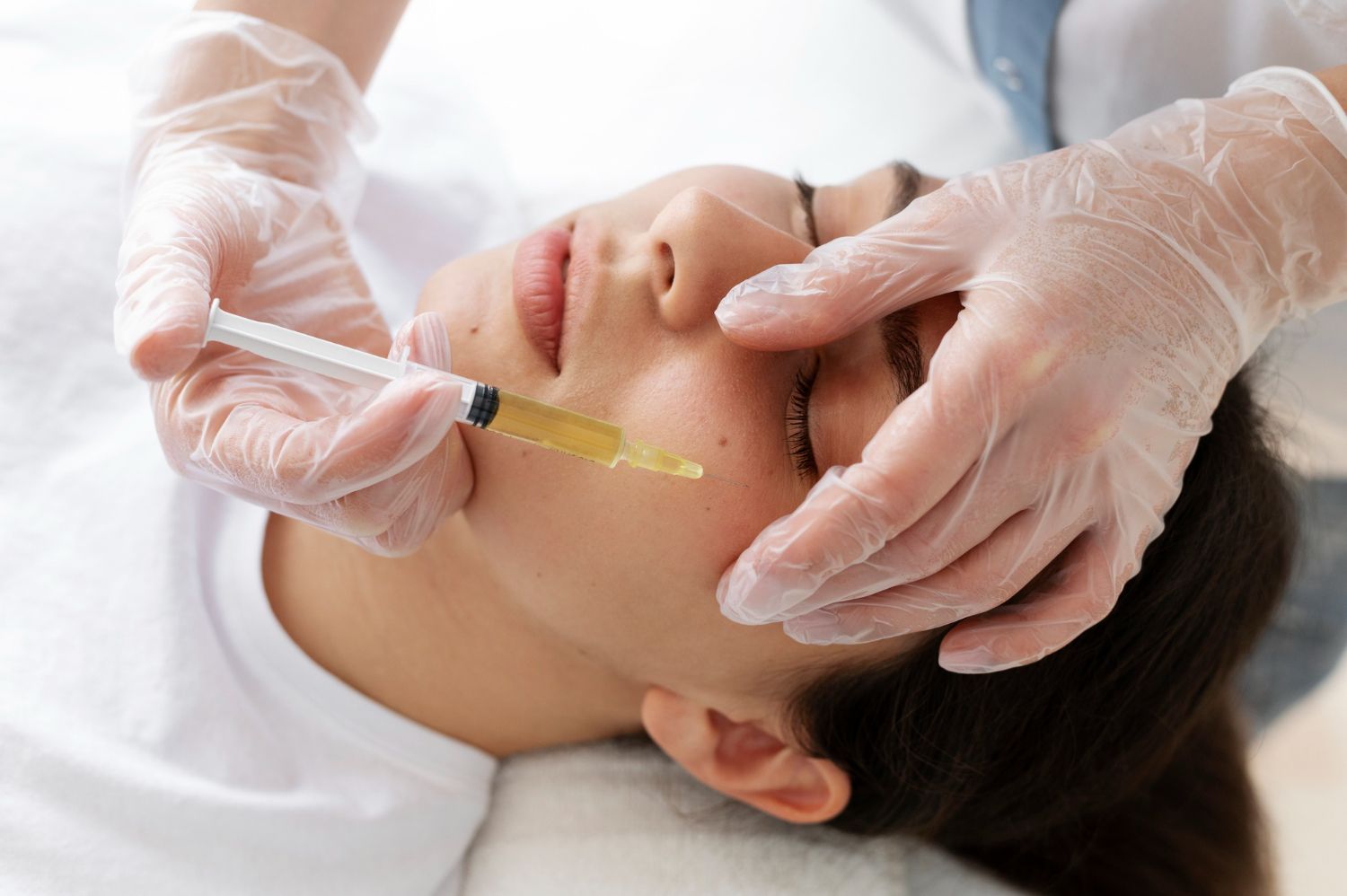
A PRP treatment usually starts with a consultation. At RegenX Clinic, the doctor will first understand your concern, assess your hair, scalp, or skin condition, and explain whether PRP is suitable for you.
If PRP is suitable, the treatment process usually includes:
1. Consultation and assessment
The doctor checks your concern, medical history, treatment goals, and suitability.
2. Blood collection
A small amount of blood is taken from your arm.
3. PRP preparation
The blood is processed in a machine to separate the platelet rich plasma.
4. Treatment application
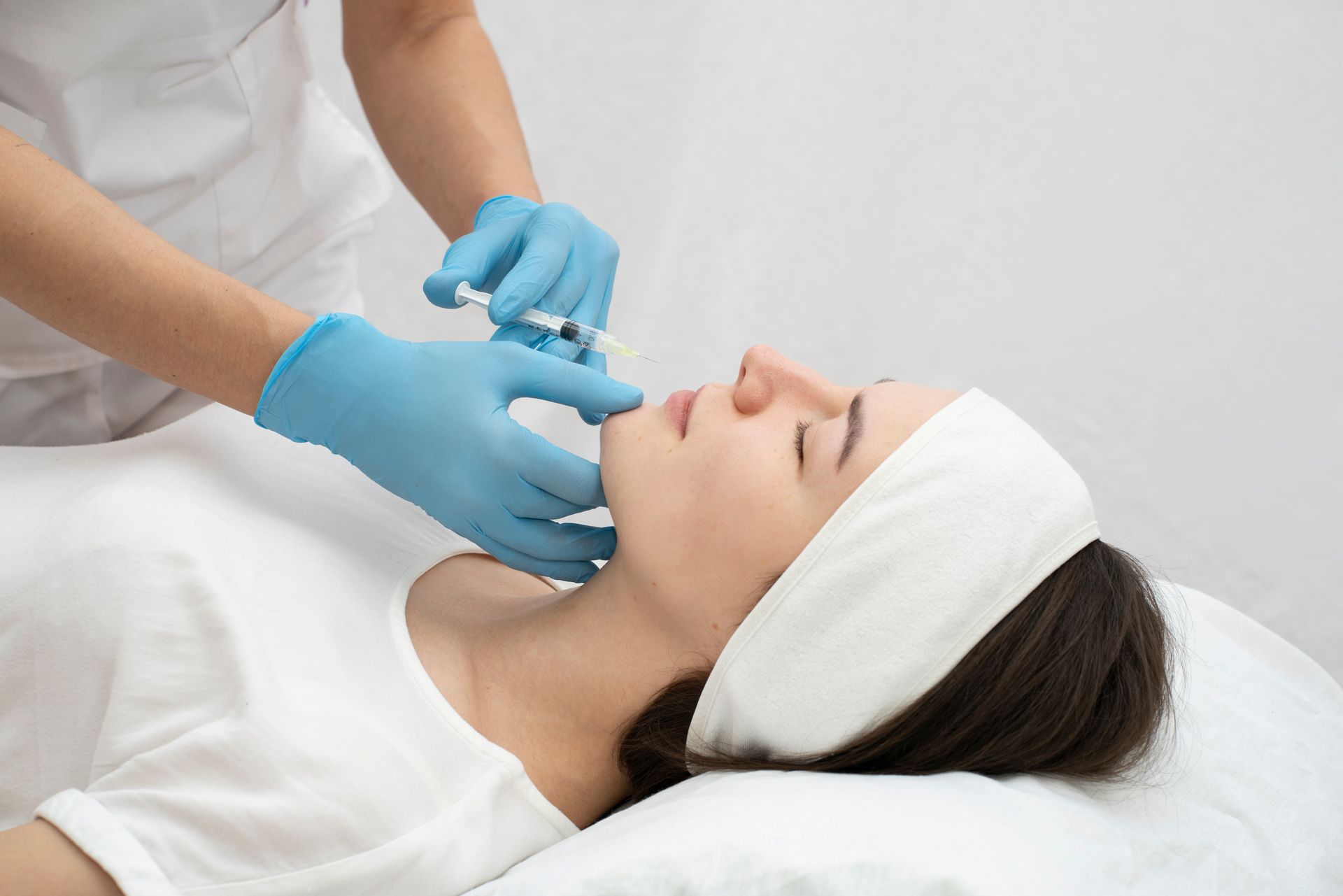
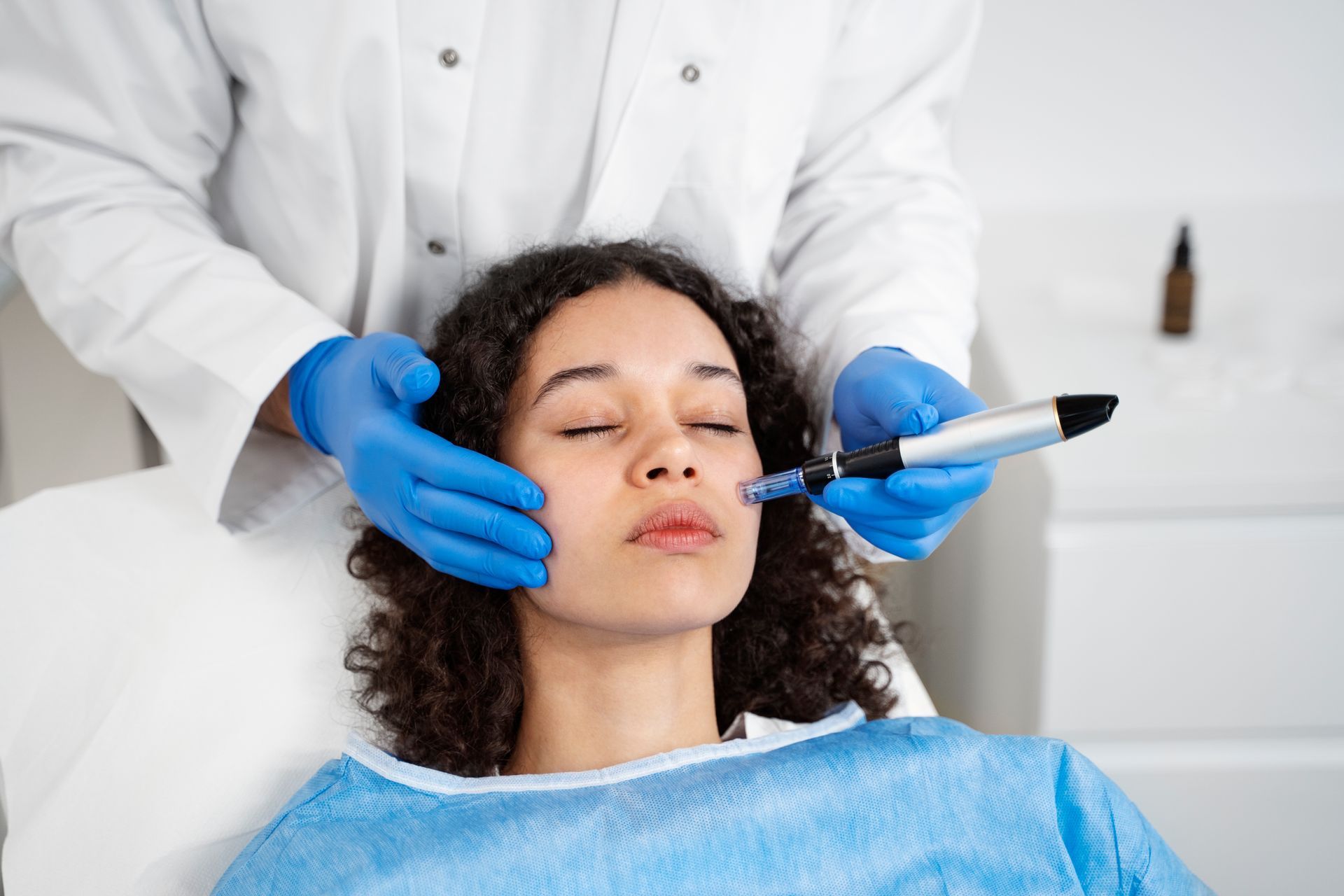
The PRP is applied or injected into the target area, such as the scalp or skin.
5. Aftercare advice
The doctor explains what to do and what to avoid after treatment.
The full process may vary depending on your treatment area and treatment plan.
Is There Downtime After PRP?
PRP usually has minimal downtime. Most people can return to normal daily activities shortly after treatment, depending on the treated area and individual response.
Possible temporary effects include:
- Mild redness
- Mild swelling
- Tenderness
- Bruising
- Scalp sensitivity
- Skin sensitivity
For skin PRP, your face may look slightly red or sensitive for a short period. For scalp PRP, you may feel mild tightness or soreness on the same day.
Your doctor may advise you to avoid harsh skincare, heavy exercise, alcohol, direct sun exposure, or scalp irritation for a short period after treatment.
How Many PRP Sessions Do You Need?
Most people need more than one PRP session because results are gradual. The exact number depends on your hair or skin condition, treatment goal, and how your body responds.
| Treatment Area | Common Number of Sessions |
|---|---|
| PRP for hair loss | Around 3 to 6 sessions |
| PRP for skin rejuvenation | Around 3 to 4 sessions |
| Maintenance sessions | May be recommended every few months, depending on your condition |
For hair loss, more sessions may be needed because hair grows in cycles. For skin rejuvenation, the number of sessions may depend on whether you are treating dull skin, fine lines, texture, or mild acne scars.
How Much Does PRP Cost in Malaysia?
The cost of PRP treatment in Malaysia can vary depending on the clinic, doctor’s experience, treatment area, PRP preparation method, and number of sessions needed.
| Treatment Area | Estimated PRP Cost in Malaysia |
|---|---|
| PRP for hair loss | Around RM600 to RM3,500 per session |
| PRP for skin rejuvenation | Around RM700 to RM4,000 per session |
The final price may be different depending on whether PRP is done for the scalp, face, or combined areas. Some clinics may also offer treatment packages if several sessions are needed.
Instead of choosing based only on the cheapest price, it is better to consider whether the treatment is doctor-led, whether your condition is properly assessed, and whether the clinic explains the expected results clearly.
Can PRP Results Last Permanently?
PRP results are not always permanent because your hair and skin continue to age and change over time.
For hair loss, ongoing factors such as genetics, hormones, stress, and health can still affect hair growth. For skin, natural aging, sun exposure, lifestyle, and skin care habits can affect how long results last. Some people may need maintenance sessions depending on their condition and goals.
How to Choose a PRP Clinic in Malaysia
Choosing the right clinic is important because PRP involves blood handling, injections, and medical assessment. It is not just a beauty treatment that should be chosen based on price alone.
Before choosing a PRP clinic, ask these questions:
- Is the treatment guided by a qualified doctor?
- Does the clinic assess your hair, scalp, or skin before recommending treatment?
- Does the clinic explain whether PRP is suitable for your condition?
- Does the clinic explain both benefits and limitations?
- Does the clinic use clean and sterile equipment?
- Does the clinic provide proper aftercare advice?
- Does the doctor have experience in aesthetic treatments?
- Does the clinic offer a personalised plan instead of a fixed package for everyone?
A good clinic should help you understand your condition, explain realistic expectations, and recommend treatment based on suitability.
Final Thoughts
PRP for hair loss and skin rejuvenation is popular because it uses your body’s own natural repair ability. For suitable candidates, it may help support weak hair follicles, improve scalp condition, encourage healthier hair growth, improve skin texture, support collagen production, and refresh overall skin quality.
However, PRP is not a one size fits all treatment. Results vary from person to person, and suitability depends on your hair, scalp, skin, health condition, and treatment goals. Therefore, choosing the right aesthetic clinic is important.
Ready to Find Out If PRP Is Right for You?
If you are interested in PRP but still unsure whether it is suitable for your hair or skin concern, the best next step is to start with a proper consultation and analysis.
At RegenX Clinic, PRP treatment is guided by a doctor-led approach. The focus is not only on performing the treatment, but also on understanding your condition before recommending the right plan.
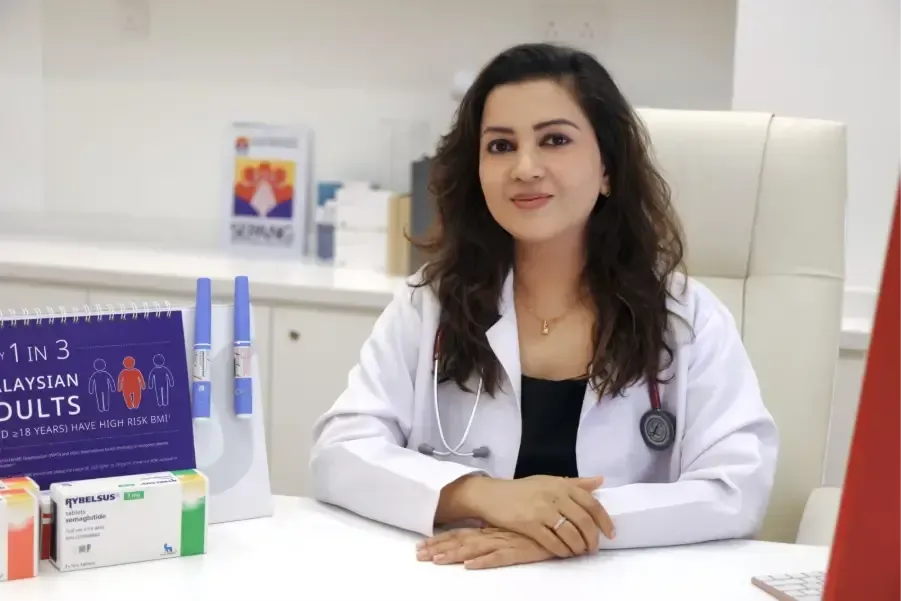
Your treatment journey is guided by Dr Dini, an LCP certified aesthetic physician with more than 15 years of experience. She is also experienced in women’s wellness and anti-aging, making her well suited to support patients who are concerned about hair thinning, skin aging, and overall skin quality.
Through hair scalp and skin analysis, we can better understand your condition and recommend a personalised treatment plan based on your needs.
Visit RegenX Clinic Putrajaya or RegenX Aesthetic Damansara Heights for a personalised consultation.
Contact us on WhatsApp to learn more or book an appointment.
Frequently Asked Questions
1. Is PRP safe for hair loss and skin rejuvenation?
PRP is generally safe when performed by qualified professionals in a proper clinical setting. Since PRP uses your own blood, the risk of allergic reaction is low, but proper technique, hygiene, and doctor assessment are still very important.
2. Can PRP regrow hair?
PRP may help support healthier hair growth if the hair follicles are still active. However, it may not regrow hair in areas where follicles are no longer active, which is why a scalp assessment is important before treatment.
3. Can PRP improve skin?
Yes, PRP may help improve skin glow, texture, fine lines, mild acne scars, and overall skin quality. The results are usually gradual because PRP supports your skin’s natural repair process.
4. Is PRP painful?
PRP may cause mild discomfort, especially during injections. However, most people find it manageable, and numbing cream may be used for skin treatments when needed.
5. How long does it take to see PRP results?
PRP results are gradual. For hair loss, visible improvement usually takes around 3 to 6 months, while some people may notice reduced shedding earlier. For skin rejuvenation, a fresher glow may appear within a few days to a few weeks, while texture, firmness, and fine lines may improve over the next 1 to 3 months. Results vary depending on your condition and treatment plan.
6. Who is not suitable for PRP?
PRP may not be suitable for people with active infections, certain blood conditions, uncontrolled medical conditions, severe scalp disease, or certain medication use. A doctor consultation is needed to confirm suitability.
7. Can I do PRP for both hair and skin?
Yes, some people may consider PRP for both hair and skin. However, your doctor should assess your scalp and skin first before recommending a combined treatment plan.
8. Can PRP be combined with other treatments?
Yes, PRP can be combined with other treatments if suitable. For hair loss, it may be paired with scalp or hair growth treatments. For skin rejuvenation, it may be combined with treatments for acne scars, texture, pores, pigmentation, or aging signs.