Saxenda vs Ozempic vs Mounjaro for Weight Loss in Malaysia (2026 Guide)
Understanding Weight Loss Injections in Malaysia
If you have been searching for the best weight loss injection or medical treatment for obesity, you have probably seen three names repeatedly: Saxenda, Ozempic, and Mounjaro. They are often grouped together, but they are not the same medicine, they are not used in the same way, and they are not suitable for everyone.
This guide explains what these three weight loss injections are, how they work, how fast results are usually seen, where the injections are given, what may happen if treatment is stopped, who may not be suitable for these medications, and how to choose the right weight loss treatment for you.
Obesity in Malaysia: Why Medical Weight Management Matters
Obesity is a growing health concern in Malaysia and is closely linked to conditions such as type 2 diabetes, heart disease, and stroke.
According to the National Health Screening Initiative (2025), more than 60% of Malaysian adults were found to be overweight or obese, an increase from 54.4% reported in the 2023 National Health and Morbidity Survey, highlighting a clear upward trend. As reported by The Star, obesity now represents one of the country’s most pressing public health challenges.
For many individuals, sustainable weight loss can be difficult to achieve through lifestyle changes alone, particularly when metabolic or hormonal factors are involved. In such cases, medically supervised weight management, including prescription-based treatments, may be considered as part of a comprehensive, long-term approach alongside nutrition, physical activity, and lifestyle support.
What Is the Best Weight Loss Treatment?

The best weight loss treatment for overweight and obesity is not simply the one that produces the largest weight loss in studies. In real clinical practice, the most effective option is the one that you can use safely, tolerate well, and maintain consistently, with proper medical monitoring.
When doctors compare Saxenda, Ozempic, and Mounjaro, they consider multiple factors rather than weight loss alone, these include:
- Your starting weight and health goals
- Whether you have type 2 diabetes or other metabolic conditions
- Injection frequency preference (daily vs weekly)
- Sensitivity to side effects
- Kidney function and thyroid history
- HbA1c and blood sugar control
All of these factors help determine which treatment can be used safely, effectively, and sustainably. This is why a proper medical consultation is essential, and why there is no single injection that is “best” for everyone.
Which Treatment Shows the Most Weight Loss in Studies?
In large clinical studies combining medication with lifestyle changes:
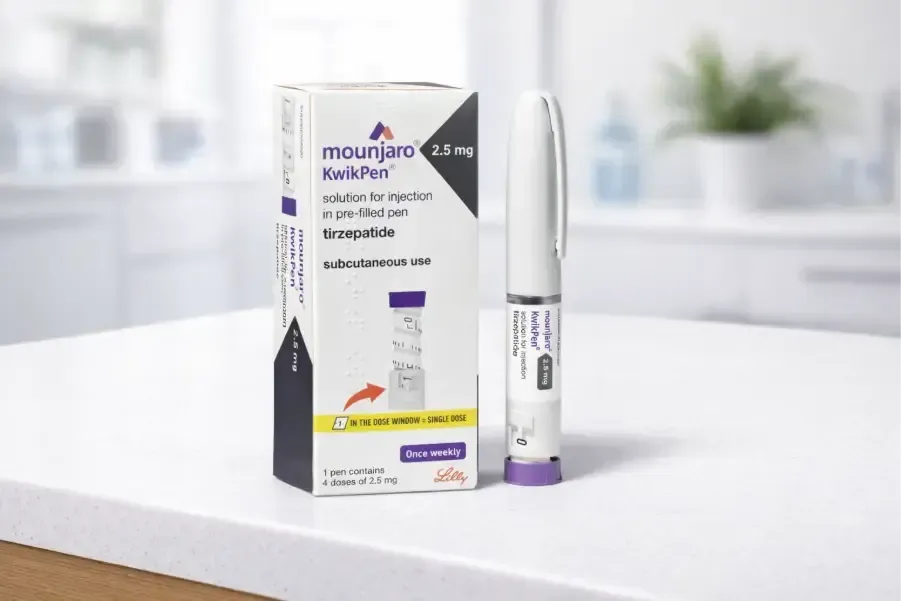
- Mounjaro (tirzepatide) has demonstrated some of the largest average reductions in body weight. Participants in key trials lost approximately 15–22% of their body weight over extended treatment periods. According to data referenced by the Obesity Medicine Association, the SURMOUNT-1 trial reported weight loss of up to 20.9% at 72 weeks with higher doses of tirzepatide in adults with obesity.
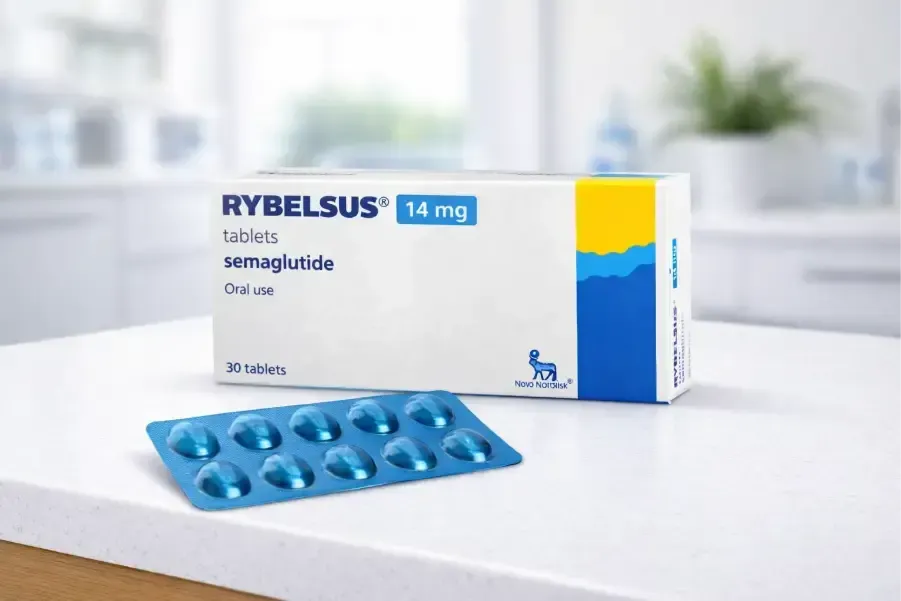
- Ozempic (semaglutide) has also shown significant and consistent weight loss in obesity-related studies. In the STEP 1 trial using semaglutide 2.4 mg, adults without type 2 diabetes experienced an average weight reduction of approximately 14.9% at 68 weeks.
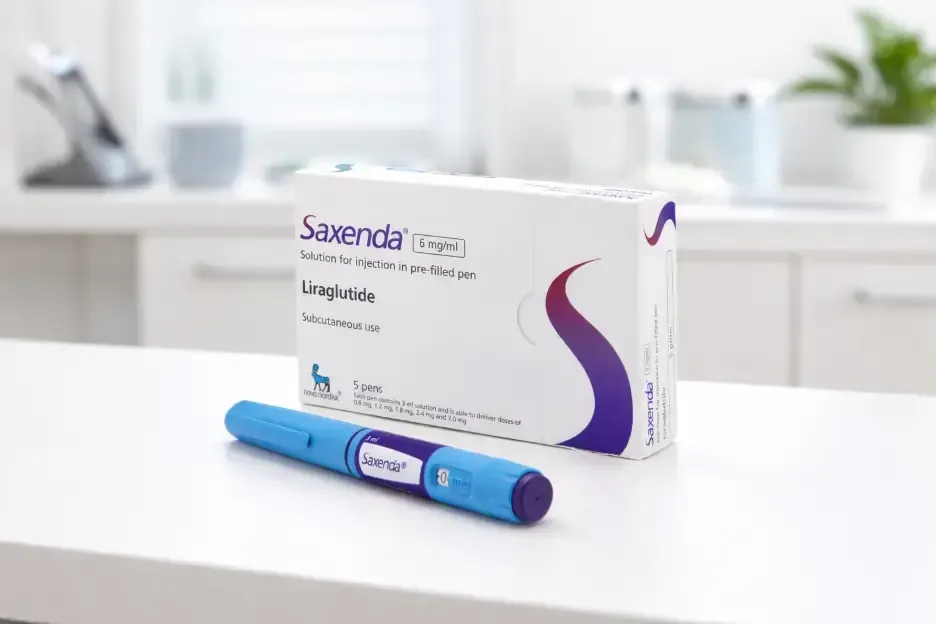
- Saxenda (liraglutide) generally produces more
moderate but still clinically meaningful weight loss compared with newer weekly agents. According to the
Obesity Medicine Association, results from the SCALE programme showed average weight reductions of around
8% over one year.
It is important to note that these figures represent averages from controlled clinical trials that included lifestyle interventions. In real-world practice, individual results vary depending on factors such as dose tolerance, adherence to treatment, diet, physical activity, medical history, and overall lifestyle habits.
Comparison Table: Saxenda vs Ozempic vs Mounjaro
| Feature | Saxenda | Ozempic | Mounjaro |
|---|---|---|---|
| Active ingredient | Liraglutide | Semaglutide | Tirzepatide |
| Injection frequency | Daily | Weekly | Weekly |
| How fast appetite changes are noticed | 1–2 weeks | 1–2 weeks | 1–2 weeks |
| When weight loss is usually noticeable | 4–8 weeks | 4–8 weeks | 4–8 weeks |
| What happens if treatment is stopped | Appetite may gradually return if habits are not maintained | Appetite may gradually return if habits are not maintained | Appetite may gradually return if habits are not maintained |
| Common side effects | Nausea, vomiting, constipation | Nausea, diarrhoea, stomach discomfort | Nausea, vomiting, diarrhoea |
| Dose escalation | Gradual daily titration | Gradual weekly titration | Gradual weekly titration |
| Injection sites | Abdomen, thigh, upper arm | Abdomen, thigh, upper arm | Abdomen, thigh, upper arm |
| Prescription required | Yes | Yes | Yes |
| Best suited for | Those who prefer daily control | Those who prefer weekly dosing | Those needing stronger appetite and glucose control |
This table is a general guide and does not replace a personalised medical assessment.